Bowl mat guide: keeping water and food mess off the floor
Drips, splashes, and scattered kibble around the bowls are normal for indoor cats and small dogs. A washable bowl mat and a little planning keep that mess in one easy-to-clean spot instead of across the kitchen floor.
Published October 15, 2026 · SipNook
Why bowls make a mess
- Lapping and paw-dipping. Cats lap water with quick tongue flicks, and some like to dip a paw in first. Drips land just in front of the bowl.
- Dripping chins and whiskers. Small dogs and long-haired cats often carry water a step or two away from the bowl.
- Pushing and sliding. A light bowl on a smooth floor can slide while your pet eats, tipping water or flicking food over the rim.
- Scattered kibble. Pets often pull a mouthful out of the bowl and eat it beside it, leaving crumbs behind.
- Refill spills. Topping up a bowl, fountain, or waterer can drip, especially when it is carried from the sink.
Choosing a silicone bowl mat
- Size: pick a mat that extends a few inches past every side of your bowl setup, with extra room at the front where your pet stands. If you use a fountain or a feeder and waterer pair, measure the whole footprint.
- Material: silicone is waterproof, flexible, and easy to rinse. It does not soak up water the way fabric mats can.
- Grip: a non-slip mat stays put on tile or wood and helps keep bowls from sliding.
- A raised edge helps: a lip around the edge keeps small spills on the mat instead of running onto the floor.
- Easy to wash: choose something you can wipe daily and wash in the sink.
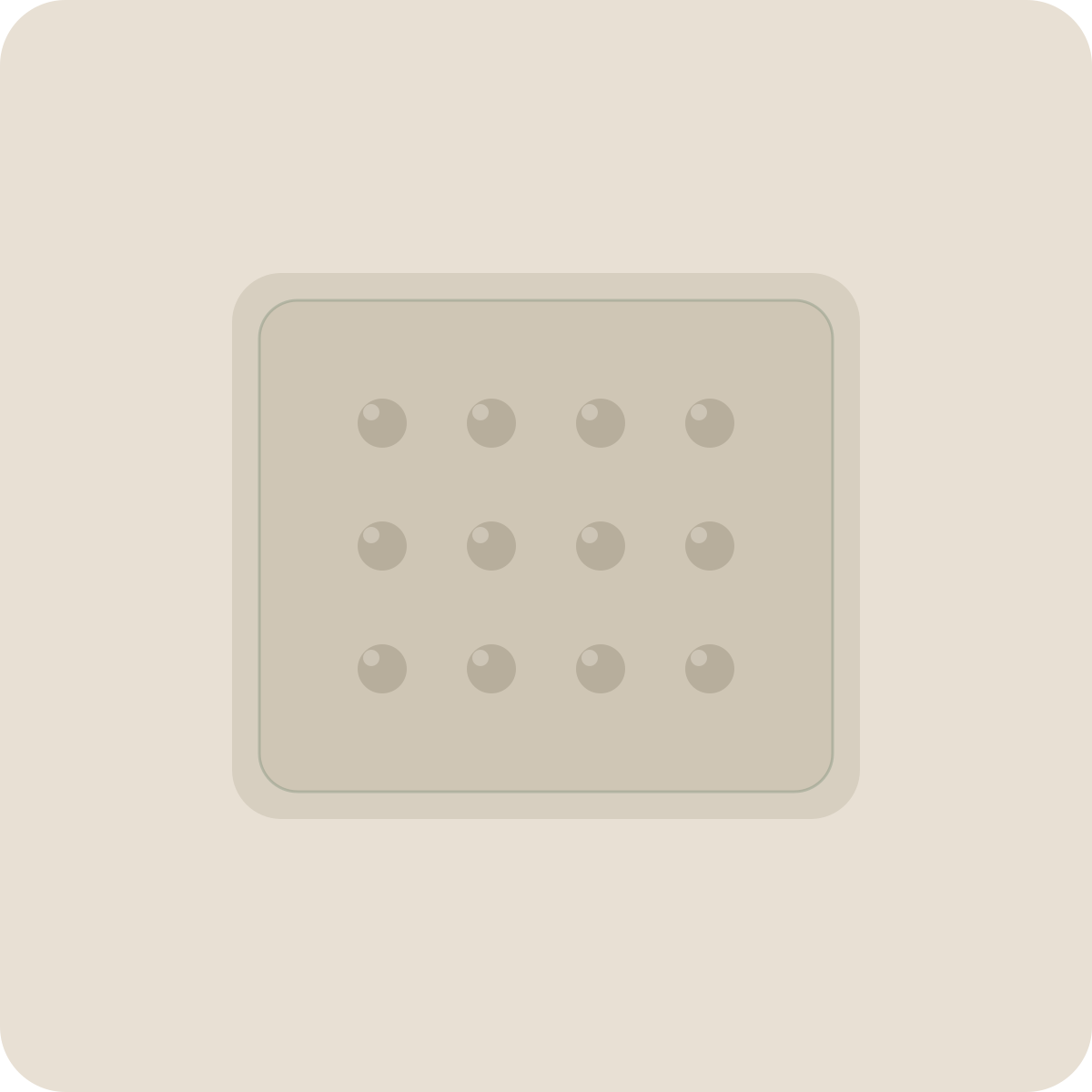
Our Spot Mat is a silicone placemat sized at 60.5 × 40.5 cm, large enough for a water bowl and food bowl side by side.
Placement next to a fountain or gravity waterer
Set the mat on a flat, dry floor in a quiet spot away from the litter box. Putting the long edge against a wall stops bowls from being pushed off the back.
- With a fountain: place the Ripple Fountain toward the back of the mat so splashes and drips stay on the silicone, and keep the power cord running behind the mat rather than across it. Our quiet fountain guide covers placement and pump cleaning.
- With a gravity waterer: refills can drip when you seat the reservoir, so set the Daybowl Gravity on the mat before filling. The gravity feeder and waterer guide walks through setup and portions.
- Food and water together: leave a small gap between the food bowl and the water so kibble does not end up soaking in the water bowl.
Daily wipe, weekly wash
- Daily: lift the bowls, wipe up drips and crumbs with a damp cloth, and dry the floor if any water got past the edge.
- Weekly: wash the mat in warm water with mild unscented dish soap, rinse well, and let it dry fully before putting it back.
- Same day as the bowls: washing the mat when you wash the bowls or fountain parts keeps the whole feeding spot fresh.
- Check underneath: once a week, make sure no water is trapped between the mat and the floor, especially on wood.
A mat keeps the floor tidy; it is not a health product. If you notice a change in how much your pet eats or drinks, talk to your veterinarian.
FAQ
Do I need a mat if my floor is tile?
Tile is easy to wipe, but bowls still slide and water can spread into grout lines. A mat keeps the mess in one place and stops sliding.
Can the mat go in the dishwasher?
Follow the care instructions that came with your mat. Washing by hand with warm water and mild soap works for silicone mats.
Will a mat stop my cat from splashing?
No mat changes how your pet drinks. It catches the splashes so they are quick to wipe up.
Does one mat fit a fountain and a food bowl?
Usually, if the mat is wider than both side by side. Measure your setup and leave a few inches spare around the edges.
Gear mentioned in this guide
All orders ship from a US warehouse in about 3–7 business days with flat $5.99 US shipping. See shipping & returns for details and our free 30-day mail returns.