Small dog water bowl setup: fountain, gravity waterer, or bowl
Small indoor dogs do best with water that is always fresh, easy to reach, and in the same calm spot every day. Here is how to choose between a plain bowl, a quiet fountain, and a gravity waterer, where to put it, and a simple routine that keeps it clean.
Published October 20, 2026 · SipNook
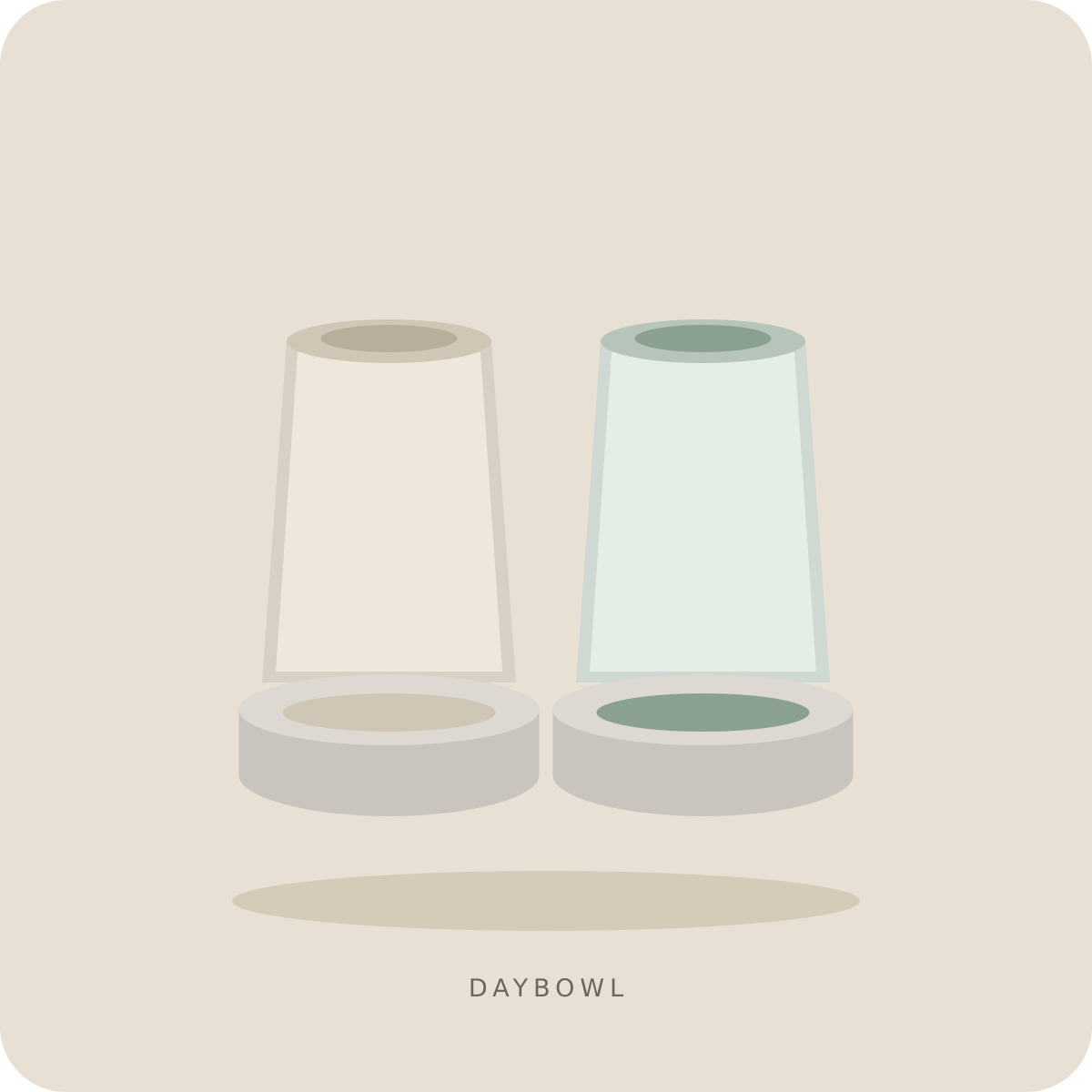
Bowl, fountain, or gravity waterer?
- A plain bowl is simple and cheap, but it needs emptying and refilling at least once a day, and a light bowl can slide or tip on a smooth floor.
- A quiet circulating fountain keeps water moving through a filter. Some dogs and cats are more interested in moving water, and the larger reservoir means fewer refills. It needs an outlet and regular pump and filter cleaning.
- A gravity waterer holds a reservoir above the bowl and refills it as your dog drinks. There is no pump or cord, so it works anywhere, and it suits dogs who are home alone for part of the day.
Our Ripple Fountain is a quiet circulating fountain with a replaceable filter, and our Daybowl Gravity pairs a gravity waterer with a feeder. Both are sized for indoor cats and small dogs.
Sizing for a small dog
- Rim height: your dog should be able to drink standing comfortably, without stretching up or crouching down.
- Bowl width: short-nosed breeds and dogs with long ear fur often prefer a wide, shallow drinking area.
- Stability: pick something with enough weight or grip that an enthusiastic drinker cannot push it across the floor.
- Capacity: more water in reserve is helpful if you are out for the day, but it still needs a daily fresh change.
Where to put the water
- Calm and consistent: choose a quiet corner your dog already spends time near, and keep it in the same place so they always know where to find it.
- Away from busy paths: doorways and hallways mean more knocked bowls and fewer relaxed drinks.
- On a mat: small dogs often carry water a step or two on their chin. A washable silicone bowl mat keeps those drips in one place. The bowl mat guide covers sizing and cleaning.
- A second spot helps: in a larger or two-level home, a second water bowl on the other floor makes it easier for a small dog to drink often.
- Sharing with a cat: many homes with a cat and a small dog give each pet its own water spot, since some cats avoid drinking where a dog eats.
Daily refill and weekly cleaning
- Every day: empty and refill with fresh, cool tap water rather than only topping up, and glance at the level again in the evening.
- Every day: wipe the mat and the floor around the bowl.
- Every week: wash the bowl, fountain parts, or waterer reservoir in warm water with mild unscented dish soap and rinse well. The quiet fountain guide and the gravity feeder and waterer guide walk through each one.
- Loose hair: a quick brush-down keeps fur out of the water. See the grooming mitt guide.
This guide is general home-care advice, not veterinary advice, and SipNook products are not medical devices. How much water a dog needs depends on size, diet, activity, and health. If you notice your dog drinking much more or much less than usual, talk to your veterinarian.
FAQ
Can a small dog use a cat water fountain?
Many small dogs drink from a cat-sized fountain without trouble, as long as they can reach the water comfortably and the fountain is stable. Watch the first few days to make sure your dog is happy using it.
Is a gravity waterer good for a dog left alone during the day?
It holds more water than a single bowl and refills the drinking area as it goes, so it is a common choice. Still start each day with fresh water.
How often should I change my dog's water?
At least once a day, and any time it looks dirty, has food or hair in it, or has been sitting in a warm room.
Should food and water sit side by side?
Close is fine, but leave a small gap so kibble does not end up soaking in the water bowl.
Gear mentioned in this guide
All orders ship from a US warehouse in about 3–7 business days with flat $5.99 US shipping. See shipping & returns for details and our free 30-day mail returns.